 logo


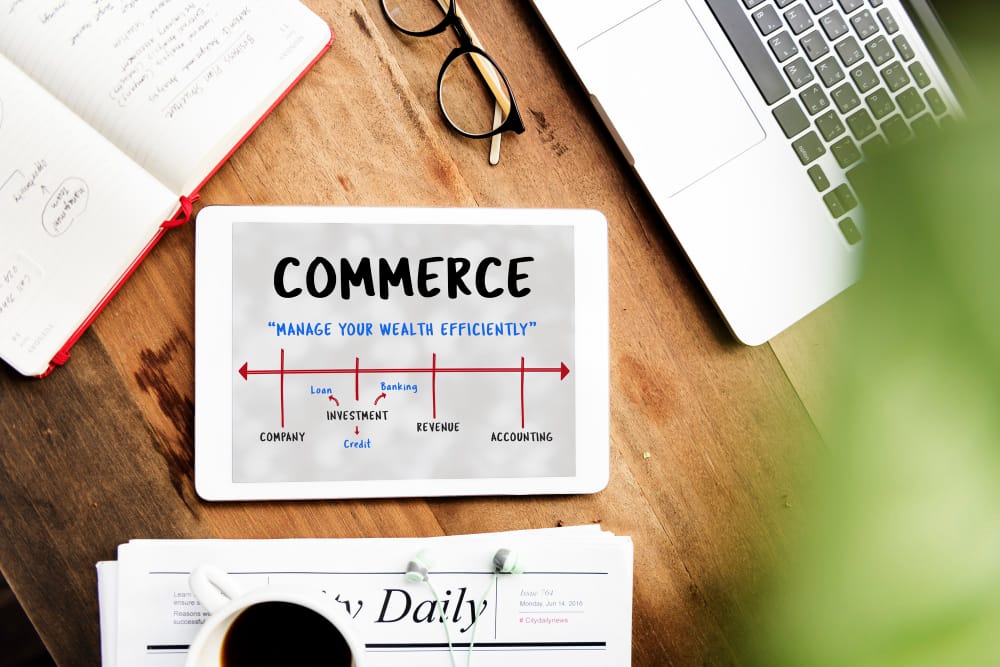
Whether you are starting a new retail business or already operate an offline store, finding more cost-effective ways to expand sales, target the right customers, and reach new markets remains a core business priority. E-commerce gives retailers a direct way to sell across locations, product categories, and customer segments through digital channels.
The scale of the opportunity has continued to grow well beyond the acceleration seen in 2020. A 2026 global e-commerce sales report cites an EMARKETER forecast that global retail e-commerce sales will reach about $6.88 trillion in 2026 and account for 21.1% of worldwide retail sales. This makes e-commerce a long-term retail channel rather than a temporary response to the pandemic (Shopify).
What COVID-19 Revealed About Consumer Purchasing
The COVID-19 period accelerated online purchasing and pushed many consumers and retailers to use digital commerce more frequently. At the time, social-distancing measures changed how customers searched for, compared, and purchased products, while retailers had to respond quickly to shifts in demand.
One lesson from that period remains relevant: retailers need to track customer behavior across the categories they sell, the channels customers use, and the competitive environment around them.
Health products were not the only categories to experience sharp changes in online demand. Search and shopping behavior also shifted across areas such as books and literature, hobbies and leisure, and other consumer categories. For retailers, the important takeaway is that demand can move quickly, and digital data can reveal those changes earlier than relying only on store-level observations.
The pandemic also produced a sharp rise in first-time online buyers and digital sales for many retailers. Although the exceptional conditions of 2020 have passed, the wider change in shopping behavior remained: consumers became more comfortable using digital channels, while businesses invested more heavily in online stores, marketplaces, payments, and delivery.

E-Commerce Trends That Continue to Shape Online Retail
The original article highlighted six areas that were becoming increasingly important for e-commerce. The specific platforms and tools continue to evolve, but the underlying practices remain relevant to retailers trying to improve conversions and customer experience.
1. Make Use of Marketplaces
Marketplaces and product-discovery platforms can help retailers reach customers beyond their own websites. Product feeds, shopping listings, and marketplace integrations can increase visibility when shoppers are actively searching for relevant products. The right channel depends on the market, product category, audience, and cost of acquisition.
2. Social Media Marketing Influences Buying
Social platforms have increasingly shortened the path between product discovery and purchase. Shoppable posts, product links, creator content, and social-commerce features allow customers to move from awareness to a product page or checkout with fewer steps. Retailers should evaluate which social channels actually contribute to conversions rather than measuring engagement alone.
3. AR and VR Can Improve Product Evaluation
Augmented and virtual reality can help customers evaluate products that are difficult to judge online. Furniture retailers can show how an item may look in a room, while beauty and fashion brands can use virtual try-on experiences. The technology is most useful when it reduces uncertainty and helps customers make a purchase decision with more confidence.
4. Personalization and Customization Support the Customer Experience
Personalization can make online shopping more relevant by adapting recommendations, offers, product displays, or communications to customer behavior and preferences. Customization can also give customers more control over the product itself. Both approaches work best when they are supported by reliable customer data and a clear understanding of what actually improves the shopping experience.
5. Flexible Payments Can Reduce Purchase Friction
Offering payment options that match customer preferences can make the checkout process easier. Depending on the market, these options may include cards, digital wallets, cash on delivery, or installment and buy-now-pay-later services. Retailers should evaluate payment methods based on conversion, cost, fraud risk, failed orders, and customer preference rather than assuming that more options always produce better results.
6. Sustainable Packaging Is Becoming More Relevant
Packaging decisions increasingly affect both operating costs and brand perception. Businesses can explore recyclable materials, right-sized packaging, lower material usage, and packaging designs that reduce waste while still protecting the product during fulfillment. The right approach depends on product type, logistics requirements, cost, and customer expectations.
Why E-Commerce Decisions Need Data Analysis
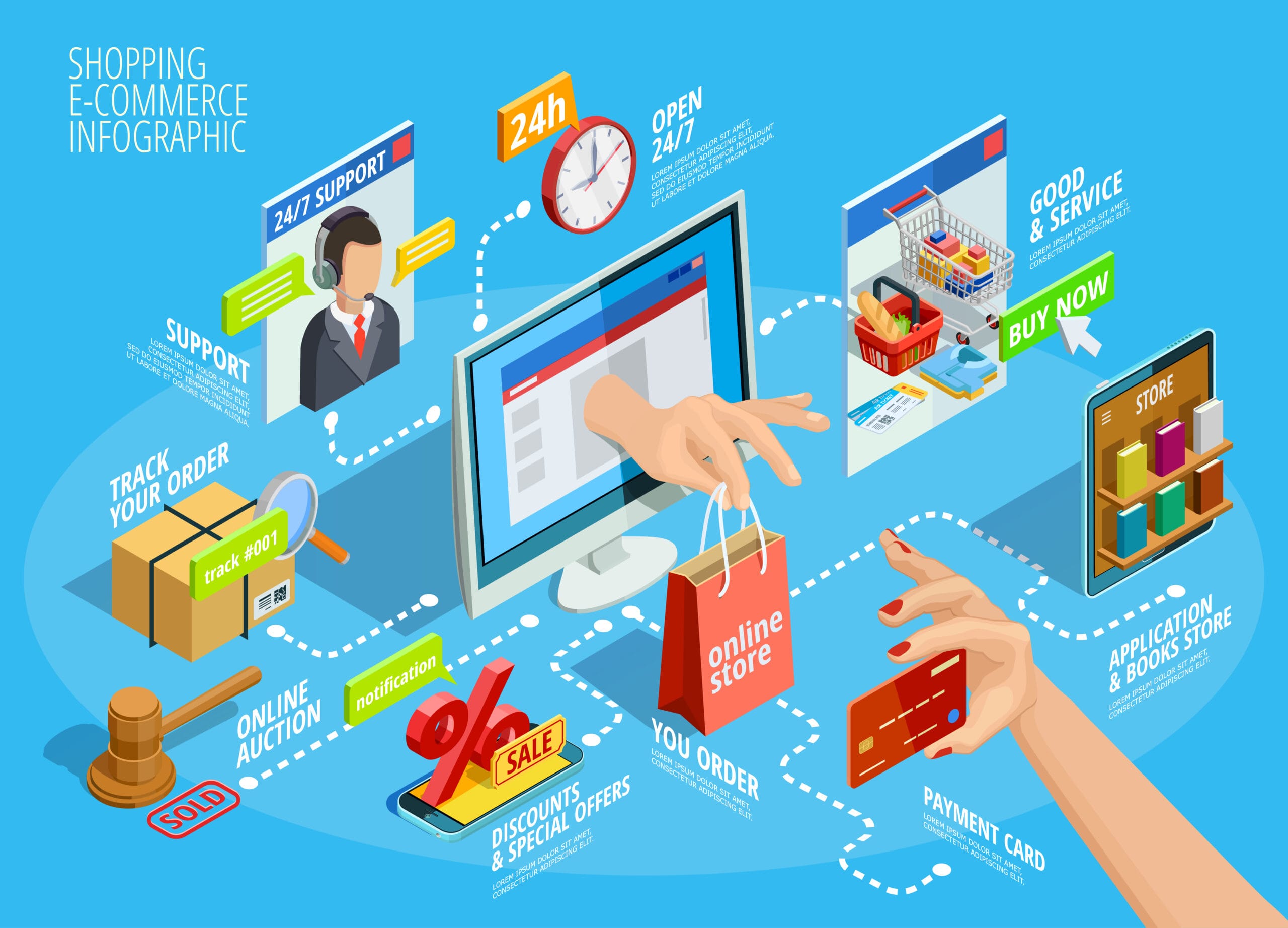
E-commerce creates a continuous flow of data across sales, products, customers, marketing channels, payments, and fulfillment. Tracking that data helps retailers move beyond general trends and understand what is happening inside their own business. Useful questions include which products convert best, which customer segments repeat purchases, which channels generate profitable orders, where customers leave the funnel, and which payment or delivery options create the most friction.
Professionals who want to build these capabilities can strengthen them through IMP’s Data analysis training courses, which develop practical skills in Excel, Power Query, Power BI, SQL, descriptive statistics, data visualization, and data storytelling. These skills can help retailers turn e-commerce data into clearer decisions about sales performance, customer behavior, product strategy, and operational improvement.
The practical lesson is simple: following e-commerce trends can help businesses identify new opportunities, but the stronger advantage comes from measuring how those trends affect their own customers and performance. Data gives retailers the evidence needed to decide which channels, offers, products, and operational changes deserve further investment.