 logo
logo

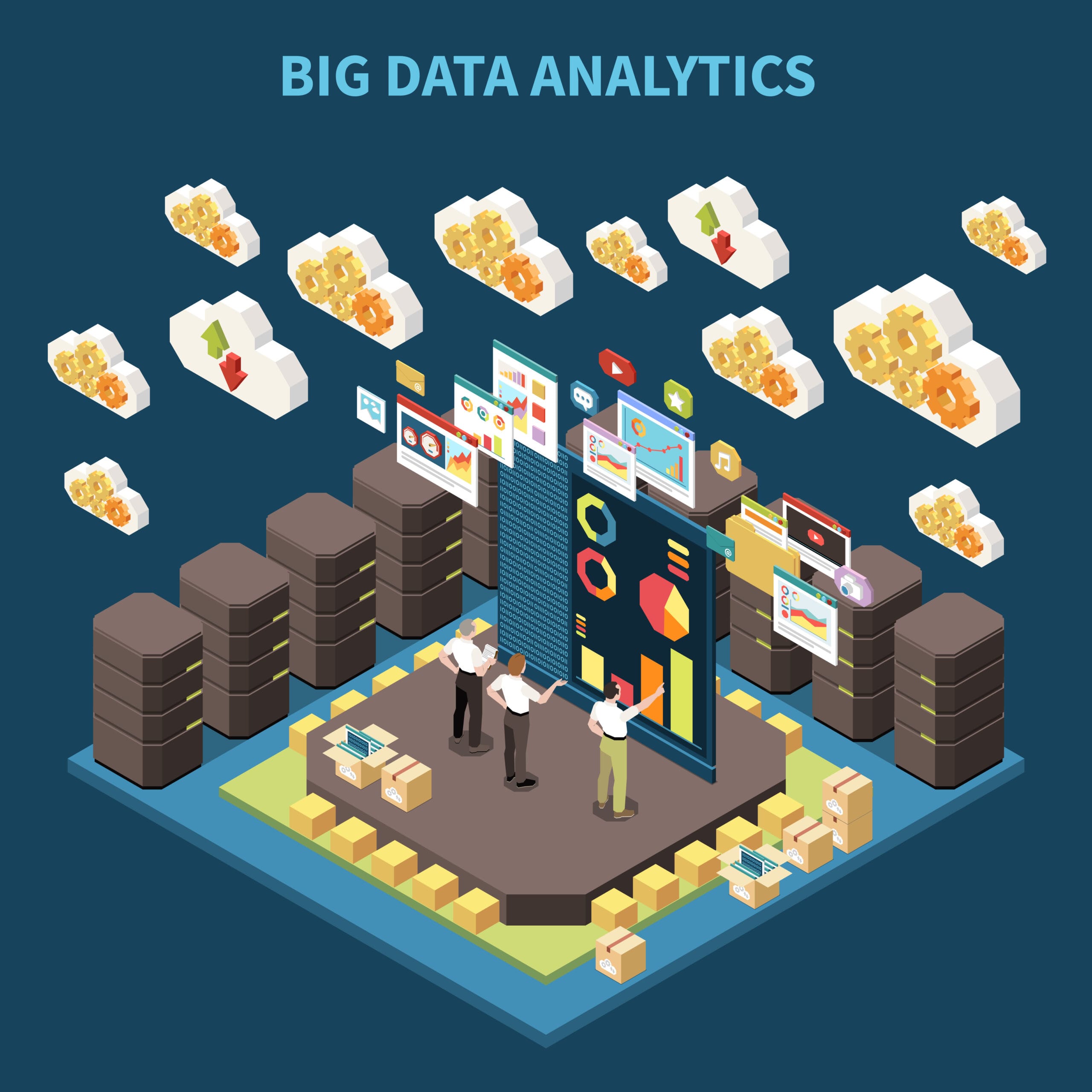
Big Data and Analytics are not just buzzwords, in this video, from Harvard Business Review you’ll get to know the meanings, definitions, types, and why they could be a key competitive advantage for your company.
What are the Big Data Analytics Definitions?
- Big data :refers to datasets whose volume, velocity, variety, or complexity make them difficult to manage and analyze using traditional data-processing methods. The value does not come from having more data alone, but from being able to prepare, process, and analyze it in ways that support useful business decisions.
- Analytics : is the process of examining data to identify patterns, explain performance, answer business questions, and support better decisions. Depending on the problem, it can involve data preparation, statistics, visualization, forecasting, experimentation, and other analytical techniques.
What is The Data Analytics Types?
- Descriptive analytics: explains what has already happened using reports, dashboards, KPIs, scorecards, and trends.
- Predictive analytics: uses historical data and statistical or machine-learning techniques to estimate what is likely to happen next, such as future demand, customer behavior, or sales performance.
- Prescriptive analytics: goes one step further by helping decision-makers evaluate possible actions and determine which option is most suitable under specific objectives and constraints.
How can big data and analytics help your organization gaining a competitive advantage?
Organizations that succeed to combine big data with effective analytics could have one of the key competitive advantages for the current age. In fact, several requirements should be thought it is known as the DELTA model:
- Data: data needs to be accurate, consistent, integrated, governed, and accessible to the people who need it. The exact architecture can differ between organizations, so useful analytics does not depend on having one central data warehouse.
- Enterprise: an enterprise-wide focus with key data systems and analytics resources available to the whole firm, not just isolated teams.
- Leadership: leaders should fully embrace data analytics and lead the company’s culture toward fact-based decision making.
- Targets: data and analytics teams must be dedicated for very specific targets (such as marketing or supply chain), over time, the use of analytics and analytical decision making will expand across the whole organization. But the start should be always with a targeted project that can display real results on the bottom line.
- Analysts: organizations need analytical capability across the business, including people who can prepare data, interpret results, build useful reports, and connect insights to the decisions made within different functions.
Build the Data Analysis Skills Behind Big Data
Understanding big data concepts is useful, but working with data in practice starts with a strong analytical foundation. Before professionals move into larger datasets, advanced predictive methods, or specialized big data technologies, they need to know how to prepare data, query it, analyze it, visualize results, and translate findings into business decisions.
IMP’s Data analysis training courses build this foundation through Excel, Power Query, Power BI, DAX, SQL, descriptive statistics, data storytelling, automation, and practical business analysis.
These skills give learners a structured starting point for working with business data and create a stronger foundation for progressing later into more advanced analytics, data science, or big data technologies.