 logo
logo

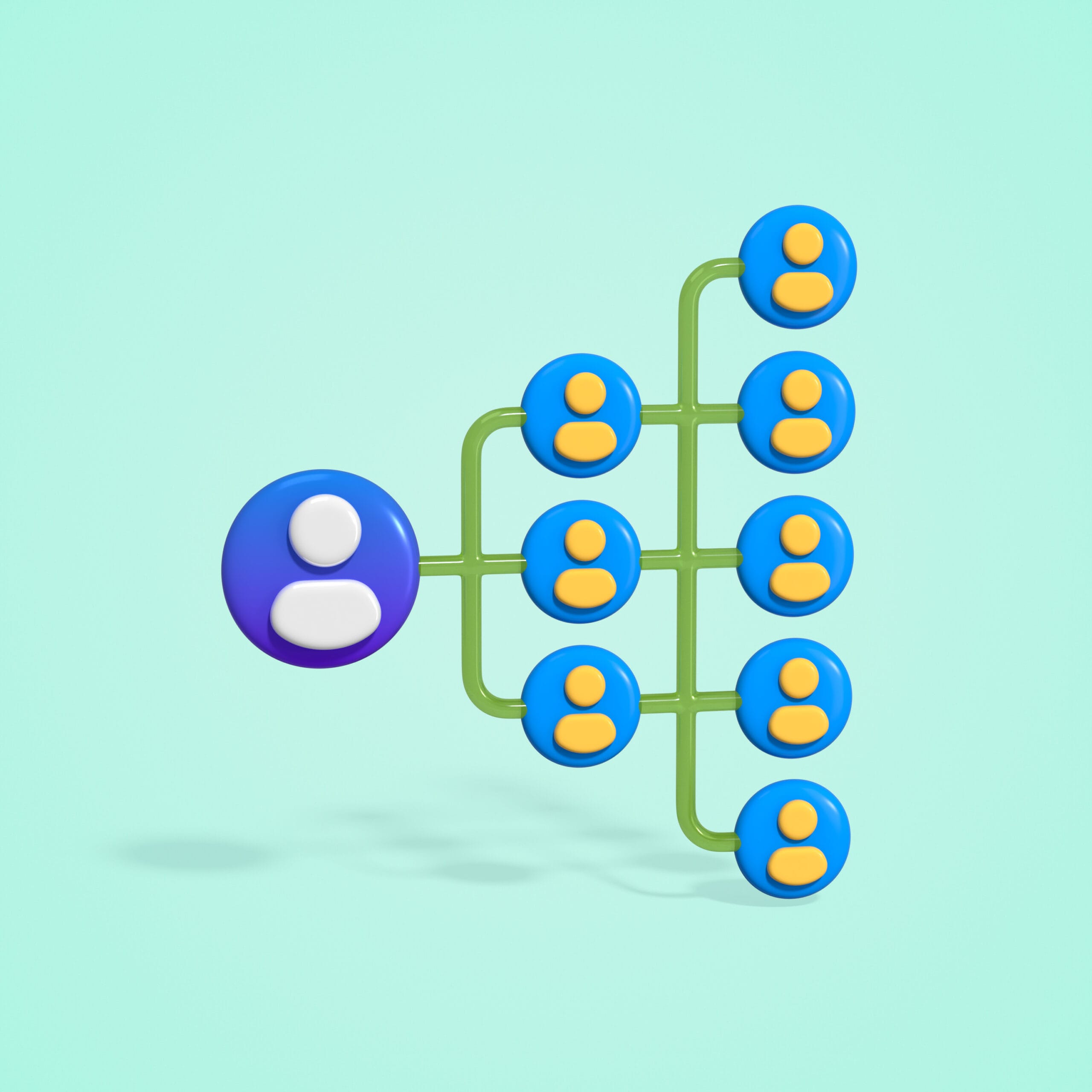
Most organizations build their data function the way they build any other department: hire a few analysts, put them under whoever asked for headcount first, and figure out reporting lines later. That approach produces a team that exists but rarely produces one that changes how the business makes decisions.
The organizations that get genuine value from their data investment tend to have thought deliberately about Data team structure models, not because structure is the most important variable, but because the wrong structure quietly undermines good people and good tools in ways that are hard to diagnose after the fact.
Why Structure Matters More Than It Seems
A data team’s structure determines who it serves, how fast it can respond, and whether its work actually reaches the people making decisions. Three common structures dominate, and each has a clear failure mode.
Centralized teams sit in one function, usually IT or finance, and serve requests from across the business. This produces consistency and shared standards but creates a queue. Business units wait for analytical capacity, and the team’s priorities are set by whoever escalates loudest rather than by what matters most strategically.
Decentralized teams embed analysts directly within business units. This produces speed and deep domain context, but it fragments standards. Two departments analyzing the same customer base can end up with different definitions of basic terms, and the organization loses any single source of truth.
Hybrid models, increasingly the default among mature organizations, combine a central team that owns infrastructure, governance, and standards with embedded analysts who sit close to business decisions. This is harder to manage than either pure model, but it consistently produces better outcomes because it solves the standards problem and the responsiveness problem simultaneously.
What Good Analytics Organization Design Actually Requires
Choosing a structural model is the easy part. The harder part of analytics organization design is defining how the pieces actually work together day to day.
Clear Ownership of Data Quality
Someone has to own the reliability of core data assets, customer records, transaction history, product data, independent of who’s analyzing them. Without a named owner, data quality degrades quietly until an analysis produces a wrong answer that nobody catches until it’s expensive.
A Single Point of Truth for Definitions
When marketing’s definition of “active customer” differs from finance’s, every cross-functional analysis becomes a negotiation before it becomes an insight. Mature enterprise data teams maintain a shared glossary of core metrics, governed centrally even in otherwise decentralized structures.
A Process for Prioritizing Requests
Without a structured intake process, data teams default to serving whoever has the most organizational power, not whoever has the most valuable question. Teams that prioritize well typically score requests against business impact and use a small steering group, not a single manager, to make the call.
The Leadership Roles That Make the Structure Work
Structure without the right data leadership roles in place tends to drift back toward whatever the loudest stakeholder wants. Three roles consistently appear in organizations that sustain analytical value over time.
A senior data leader with genuine authority, not just a title, who can say no to low-value requests and protect the team’s capacity for strategic work. This person needs a seat where resourcing and prioritization decisions are made, not just a reporting line that ends at a department head.
Analytics translators who sit between technical analysts and business stakeholders, fluent enough in both languages to turn a vague business question into a well-defined analytical task and turn a model output back into a recommendation a non-technical leader can act on. Organizations without this role tend to produce technically correct analysis that nobody acts on.
Embedded domain analysts who understand a specific part of the business deeply enough to know which questions are worth asking, paired with a central team that gives them tools, standards, and technical support they couldn’t build alone.
How BI Team Structure Differs From Data Science Structure
A common mistake is treating all analytical work as one function. BI team structure and data science structure require different skills, different timelines, and often different reporting relationships, and conflating them creates friction.
BI work is largely about reliable, recurring reporting: dashboards, KPI tracking, and standard business reviews. It rewards consistency, speed, and a deep understanding of what decision-makers check regularly. Data science work is project-based, exploratory, and often doesn’t have a guaranteed outcome. It rewards experimentation and tolerance for dead ends.
Organizations that put both under the same manager with the same performance expectations tend to either rush data science work to meet BI-style deadlines or let BI work drift into unnecessary complexity. Separating the two, even within the same broader data function, generally produces better output from both.
Signs Your Current Structure Isn’t Working
A few patterns reliably indicate that an organization’s data team structure needs rethinking, regardless of which model is currently in place.
- Analysts spend most of their time building one-off reports that get used once and never revisited
- The same metric is calculated three different ways in three different departments, and nobody is sure which is correct
- Requests take so long to fulfill that business units have started building their own shadow analytics in spreadsheets
- The data team can describe what happened but is rarely asked to weigh in before a major decision is made
None of these problems are fixed by hiring more analysts. They’re fixed by changing who owns what, who decides priorities, and how work flows between the central team and the business.
Building Toward the Right Model
There’s no single correct data team structure model for every organization. A fifty-person startup doesn’t need the governance layers a five-thousand-person bank requires, and a heavily regulated industry has constraints that a fast-moving consumer business doesn’t.
What does transfer across contexts is the underlying logic: separate the ownership of standards and infrastructure from the ownership of business context, give someone real authority to prioritize across competing demands, and build translator roles that connect technical work to business decisions rather than assuming that connection will happen on its own.
Organizations that get this right don’t necessarily have larger data teams. They have teams whose structure matches how decisions actually get made in their business, which is the real test of whether an analytics function is built to last or built to be reorganized again in eighteen months.
Structure is only half the equation. The other half is having people across the organization who can actually read and act on what a well-structured data team produces. IMP’s Data Analysis & Business Intelligence Diploma builds exactly that kind of practical analytical capability.