 logo
logo

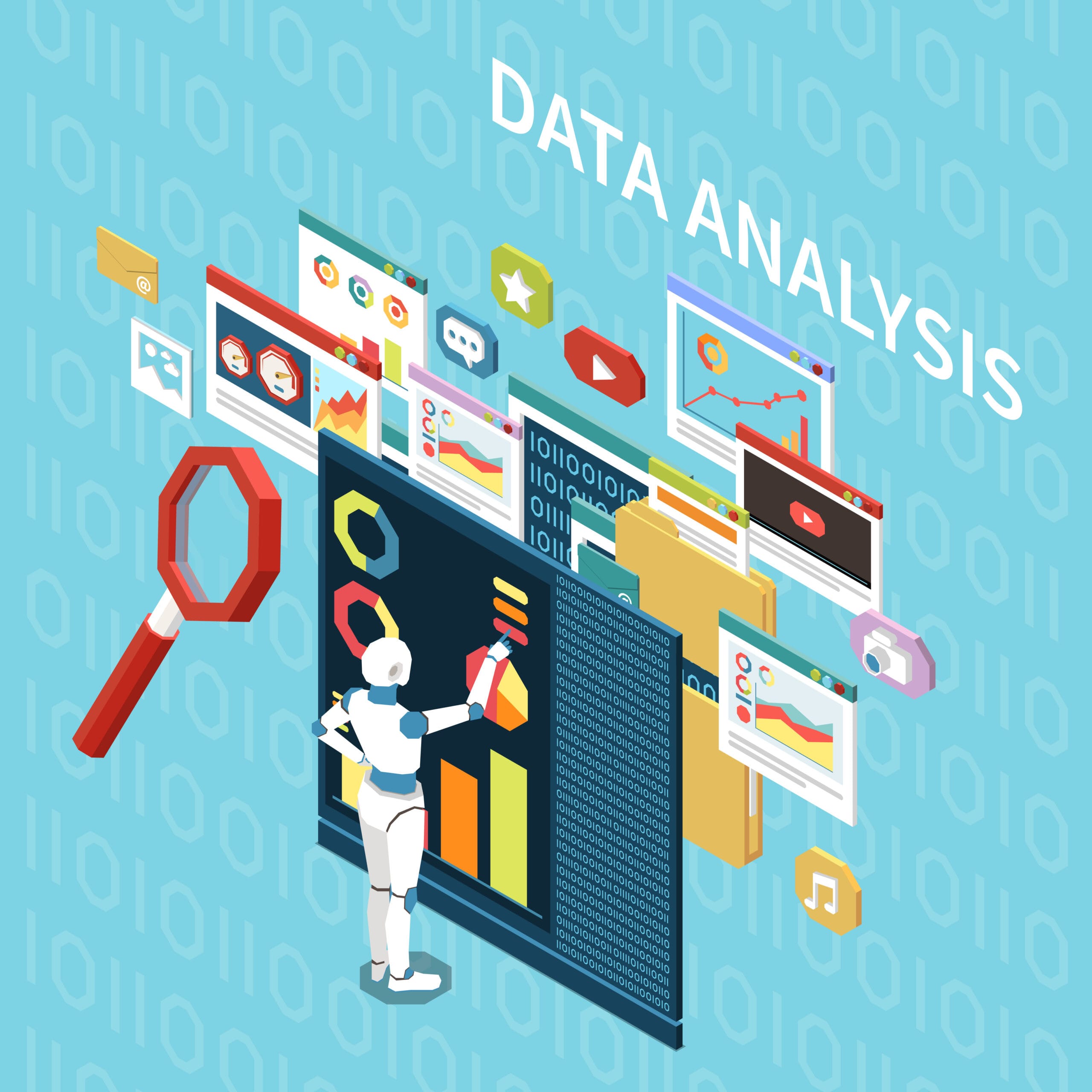
In one executive meeting, the screen in front of those present was filled with dozens of charts, tables, and indicators: sales by region, customer behaviour across platforms, conversion rates, operating costs, and demand movements over recent months. Everything appeared to be present. The data was abundant, the reports were ready, and the numbers were accurate. Yet those present found themselves asking: what does all of this mean?
This scene repeats itself in many organisations that possess large volumes of data but do not always have the ability to transform them into strategic vision. The real value of big data and competitive intelligence emerges when organisations can identify important signals, connect internal results to market changes, and understand competitor movements before their impact becomes obvious. Competitive intelligence gives big data context and direction, turning numerical accumulation into practical insight that supports faster and better-informed decisions.

Why Is Big Data Alone Not Enough?
Big data gives organisations an enormous capacity to gather information from multiple sources, making it an important asset in the digital economy era. But possessing this volume of data does not automatically mean possessing understanding or the ability to make the right decision. Between the abundance of information and the quality of insight lies a significant distance, and organisations often stumble in this distance when they treat data as an end in itself rather than as material that needs interpretation and context.
The problem is not in the volume of data but in the fact that abundance can transform into noise when the methodology that separates the important from the unimportant is absent. An organisation may possess millions of records yet be unable to answer a simple question about a decline in sales activity or the emergence of upcoming opportunities.
How Does Competitive Intelligence Transform Big Data Into Meaning?
Filtering important signals from noise
With data abundance, not every piece of information holds value. Competitive intelligence helps identify the indicators that truly deserve attention and exclude what does not affect decisions. This leads to higher focus on priorities and faster and clearer decisions. Effective data extraction tactics are what make this filtering systematic rather than ad hoc.
Connecting internal performance to what is happening in the market
Data may point to decline or growth, but competitive intelligence connects this to changes in demand, competitor movements, and economic or regulatory shifts. Statistical analysis is what gives these connections their rigour: rather than guessing whether a trend is real, the organisation can test whether differences are meaningful and act on a justified conclusion.
Discovering trends before they become obvious
By monitoring recurring patterns within data and connecting them to the external landscape, emerging shifts can be detected early. This contributes to anticipating opportunities, preparing for changes, and reducing the element of surprise.
Transforming data into future scenarios
The role does not stop at reading the past but extends to building multiple probabilities for what may happen next based on current data. This leads to more flexible planning, lower-risk decisions, and greater readiness for fluctuations.
Connecting information to executive decisions
Competitive intelligence does not settle for theoretical insights but translates them into practical recommendations related to pricing, expansion, product development, or repositioning. Clear visualisation dashboards are what make this translation accessible to decision-makers: they reduce the gap between the analyst’s output and the leader’s choice, ensuring faster transition from understanding to execution.
The Most Notable Mistakes That Cause Data to Lose Its Value
Collecting data without a clear objective
Some organisations gather massive amounts of information simply because the technical capability is available, without defining the questions they are supposed to answer. This leads to bloated databases without real benefit, difficulty extracting what matters, and wasted time and resources.
Focusing on quantity more than quality
Inaccurate, duplicated, or incomplete data can create misleading impressions regardless of its volume, causing incorrect decisions, weak trust in reports, and wasted effort in correcting errors later.
Separating data from executive decisions
When analyses remain within specialised teams without clearly reaching leadership, data loses its real impact. This contributes to excellent reports without actual use and a gap between analysis and execution.
Slowness in analysis and response
In fast-moving markets, data may lose its value if it arrives late, even if accurate. This is where automating data flows and analytical workflows becomes a competitive factor in itself, reducing the time from signal to decision and keeping the organisation ahead of the cycle rather than behind it.
Relying on non-impactful indicators
Being preoccupied with many numbers that are not actually connected to strategic objectives diverts attention and creates a false sense of control. This causes confusion in priorities and lower-quality decisions.
What Role Does the IMP Diploma Play in Transforming Data Into Strategic Insights?
Bringing big data and competitive intelligence together requires more than access to advanced tools or large datasets. Organisations need people who can connect analytical results with market context, competitor movements, and business decisions. Without that capability, even accurate and abundant data can remain disconnected from the actions leadership needs to take.
Building those data analysis and competitive intelligence skills within a team is what separates organisations that report data from organisations that lead with it. IMP’s Data Analysis and Business Intelligence Diploma provides this path: an advanced programme built on a vision that combines modern analytical tools with competitive intelligence methodologies within a single framework that serves institutional decision-making. It prepares an analyst or manager capable of reading the market, understanding competitors, and using big data to build more precise and impactful decisions.
If you want to build that capability for yourself or your team, IMP’s Data analysis training courses are the practical first step. Explore the diploma or reach out to the IMP team to learn the details and registration options.