 logo
logo

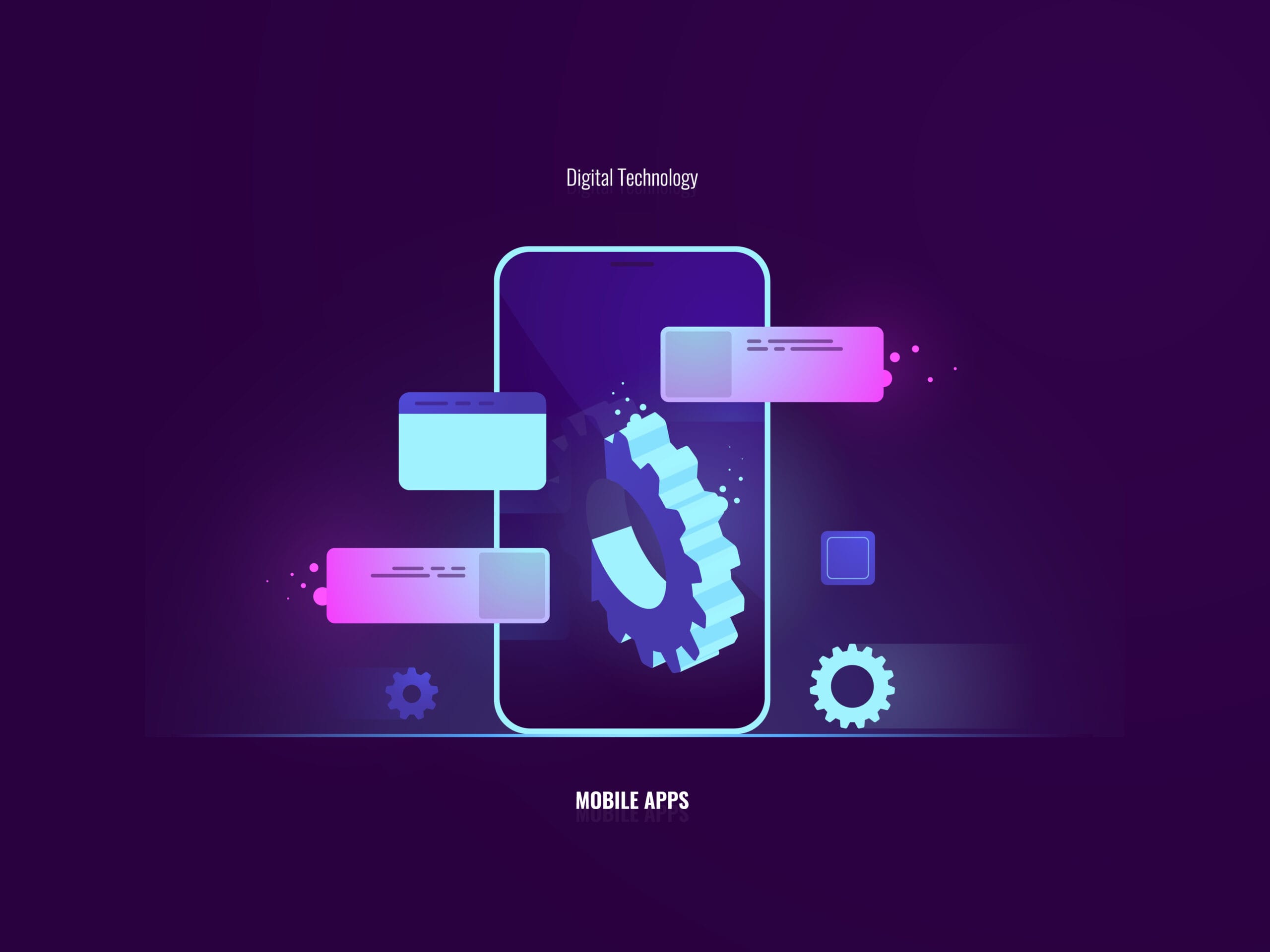
Modernizing legacy applications is essential to enable smooth data flow and eliminate obstacles in building a data-driven ecosystem. No matter how much an organization invests in advanced analytics tools or interactive dashboards, the presence of outdated, closed, or non-integrated systems turns data into isolated silos that are difficult to connect or utilize effectively.
In such cases, the issue is not a lack of data, but rather fragmented structures and the difficulty of extracting and unifying data into a reliable analytical model.
Without modernizing these applications, organizations remain trapped with disconnected data, manual reporting, and complex integrations that rely on temporary workarounds. The result is not only slower analysis but also an inability to innovate and make intelligent decisions at the right time.
What Are the Key Challenges of Legacy Systems?
The problem with legacy applications goes beyond outdated interfaces or slow performance. It represents a structural barrier to building a fully integrated data ecosystem. Key challenges include:
Limited Compatibility with Modern Analytics Tools
Legacy systems often struggle to integrate with advanced analytics platforms and modern cloud environments. Many were built on closed architectures or outdated technologies that do not support flexible APIs or real-time integration with business intelligence and AI systems.
As a result, data extraction becomes complex often relying on middleware solutions or manual exports slowing down analysis and limiting the ability to detect patterns and trends in a timely manner.
Emergence of Data Silos
One of the most significant consequences of legacy systems is the creation of isolated data silos within each department or application. Data remains confined within systems such as finance, inventory, or customer management, without seamless flow between them.
This isolation prevents building a unified view of organizational performance and makes integrated reporting a difficult task that requires manual data consolidation. Without integration, decision quality declines, as each department operates based on only a partial view rather than the full picture.
High Maintenance Costs and Limited Investment in Innovation
The challenges are not only operational but also financial. Maintaining legacy systems can consume more than 80% of IT budgets, due to ongoing technical support, patch updates, and issue resolution.
This significantly reduces the resources available for innovation and development, delays digital transformation, and keeps organizations stuck in a cycle of maintaining the status quo instead of investing in a data-driven future.
What Are the Key Reasons for Modernizing Legacy Applications and How Do They Impact Building a Successful Data Ecosystem?
Enabling Integrated Data Flow
One of the primary reasons for modernizing legacy applications is to ensure seamless data flow across systems. A data-driven ecosystem depends on the organization’s ability to collect data from multiple sources and unify it into a single model.
When applications are outdated and isolated, this integration becomes complex and costly, leading to slower analysis and limited visibility. Modernization enables real integration with cloud platforms, business intelligence tools, and AI systems creating a connected analytical environment.
Improving Data Quality and Analytical Reliability
Legacy systems often suffer from duplicate records, inconsistent data, and weak validation mechanisms. This directly impacts the accuracy of metrics and insights.
Modernization goes beyond updating the interface it involves restructuring how data is captured, stored, and validated. As data quality improves, reports become more accurate, predictive models more reliable, and decisions more grounded in reality rather than distorted data.
Supporting Real-Time Analytics and Faster Decision-Making
In modern business environments, waiting until the end of the month for reports is no longer acceptable. Organizations need real-time insights to support immediate decisions.
Legacy systems are typically designed for batch processing rather than real-time analytics. Updating or rebuilding them with modern architectures enables real-time data processing, interactive dashboards, and automated alerts that reflect changes as they happen.
Reducing Operational and Technical Risks
Continuing to rely on outdated systems increases risks such as security vulnerabilities, limited scalability, and weak technical support. These risks affect not only infrastructure but also business continuity.
Modernizing applications reduces these risks and provides greater flexibility to scale, integrate new technologies, and comply with evolving regulatory requirements.
Enabling Innovation and Digital Transformation
A successful data ecosystem cannot be built on outdated infrastructure. Modernization is a strategic step toward true digital transformation, where data becomes a core organizational asset that can be analyzed and leveraged.
With a modern architecture, organizations can adopt advanced analytics, automate processes, and confidently use predictive models.
Benefits of Modernization for Data Ecosystems and Decision-Making
- Data Integration Across Systems:Connects multiple data sources into a unified architecture, eliminating data silos and improving overall visibility of organizational performance.
- Improved Data Quality:Enhances validation and cleaning processes, reduces duplication and errors, and directly improves the accuracy of reports and analytical models.
- Real-Time Analytics Enablement:Allows data to be processed instantly, supporting faster decisions and immediate responses to changes.
- Integration with BI and AI Tools:Simplifies connecting systems with business intelligence platforms and advanced analytics models, expanding analytical capabilities and predictive power.
- Reduced Long-Term Operational Costs:Minimizes reliance on costly temporary fixes and redirects budgets toward innovation instead of recurring maintenance.
- Enhanced Data Security and Compliance:Modern systems provide updated security standards and support governance and data protection requirements.
- Scalability and Future Growth:Enables organizations to handle increasing data volumes and users without performance degradation.
- Fostering a Data-Driven Culture:When data becomes accessible, reliable, and easy to analyze, decision-making shifts from intuition to evidence-based insights.
Is Updating Systems and Applications Enough to Build an Advanced Data Analytics Ecosystem?
An organization may successfully modernize its legacy applications, transition to a modern integrated architecture, and connect its systems to the cloud and business intelligence tools. But a deeper question remains: Who will interpret this data? And who will turn it into well-informed decisions?
Technology paves the way but it does not build the analytical mindset needed to leverage it. A data-driven ecosystem depends not only on system integration, but also on professionals who can understand data structures, build accurate models, write effective queries, and design dashboards that reflect reality with precision. This is where technical infrastructure and professional capability must come together.
In this context, the Data Analysis & Business Intelligence Diploma by the Institute of Management Professionals (IMP) was designed to provide this integrated foundation. Throughout the diploma, you will:
- Build data literacy and descriptive statistics skills to understand the nature of data before analyzing it.
- Master data preparation and integration using Excel, Power Query, and data modeling techniques.
- Learn SQL querying to take control of data sources at their origin.
- Design Facts and Dimensions models in Power BI to create professional reports and dashboards.
- Train on automation and data storytelling to transform analysis into clear, actionable insights.
Through this journey, you don’t become just a user of a modernized system you become an analyst capable of leveraging that infrastructure effectively.
Ultimately, the success of transitioning to a data-driven ecosystem does not depend solely on modernizing legacy applications. It depends on building an analytical mindset that truly understands the data flowing through these systems.
If your organization is moving toward system modernization and building an integrated data environment, your next step should be developing your analytical skills with the same level of commitment. Review the diploma content and connect with the IMP team to find the path that best fits your background and career goals.
Because technology opens the door but analytical thinking is what allows you to walk through it toward better decisions and a clearer future.