 logo
logo

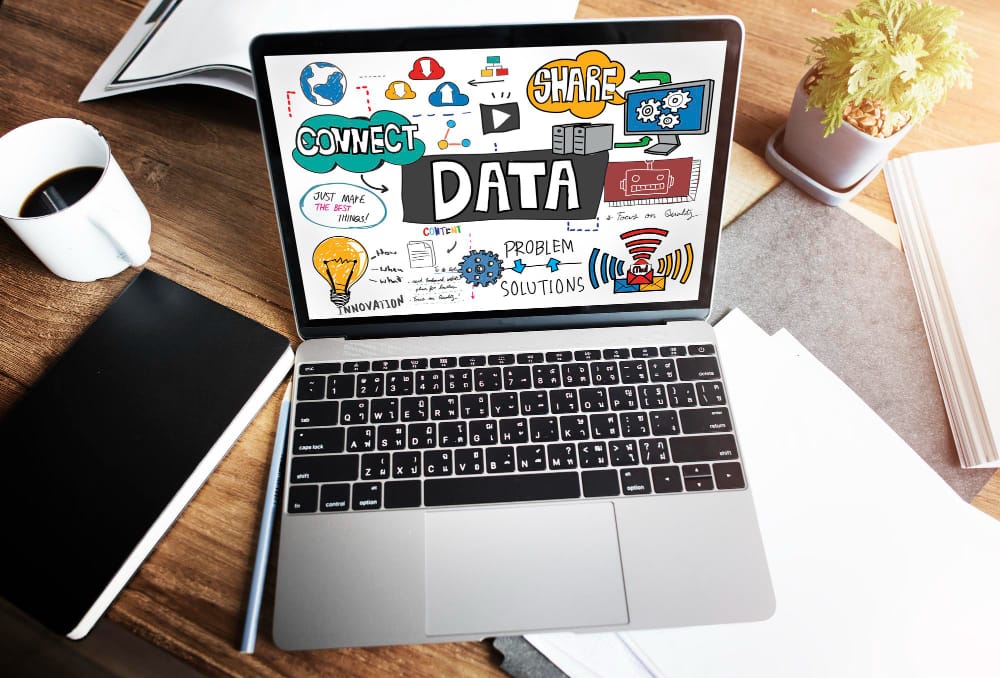
In 2026, you cannot rely only on experience and “gut feeling” at work. You need to read, question, and use data in almost every role, whether you work in operations, marketing, finance, HR, or management.
That is why being “data-literate” is as essential as knowing how to read and write.
Let’s go through this article and learn more…
What being data‑literate really means
Being data‑literate is not the same as being a data scientist. You do not need to write complex models or build advanced algorithms.
A data‑literate professional can:
- Understand what the numbers in a report actually represent.
- Ask the right questions about where data came from and how it was collected.
- Spot when a chart is misleading or when a KPI is incomplete.
- Turn raw numbers into clear, simple messages that others understand.
In short, data literacy means you can read, discuss, and use data confidently in your daily decisions.
Why 2026 raises the bar for everyone
Several trends come together this year and push data literacy to the front. You see more dashboards, more AI tools, and more reporting demands in almost every organization.
You now face:
Constant access to data
Reports, dashboards, and live metrics are no longer limited to analysts. Managers and team members see numbers on screens all day, from sales performance to customer satisfaction.
AI tools built into daily work
Modern tools summarize data, suggest actions, and generate insights automatically. Without data literacy, it is hard to tell which suggestions you can trust and which ones you should challenge.
Higher expectations from employers
Employers in Egypt and the Gulf expect you to work with data in your role, even if “data analyst” is not in your job title. You are expected to support decisions with evidence, not only opinions.
Because of this, 2026 rewards people who understand data and exposes those who ignore it.
But how does a professional handle the work? Let’s dig deeper
How data‑literate professionals work differently
Data‑literate professionals handle everyday tasks in a different way. They do not wait for someone else to “translate the numbers” for them.
They tend to:
- Start with the question, not the tool: Before opening Excel or a dashboard, they ask: What decision am I trying to support? What do I need to know?
- Look past the headline number: They dig into how a KPI is calculated, which time period it covers, and what might be missing.
- Use simple analysis tools well: They are comfortable with filters, PivotTables, basic statistics, and clear charts. They can quickly move from raw data to a structured view of what is happening.
- Communicate clearly: They avoid jargon and explain results in plain language: This metric went up, this is why, and this is what we should do.
This mindset makes them more effective in meetings, planning, and problem‑solving.
How AI makes data literacy more important, not less
It is easy to think AI will do the “data thinking” for you. In reality, AI increases the amount of data and insight you see, which means you need more judgment, not less.
Data‑literate professionals use AI tools to:
- Speed up data cleaning and basic analysis.
- Generate first drafts of summaries, reports, or dashboards.
- Explore patterns and “what‑if” questions more quickly.
But they still:
- Check the logic behind AI outputs.
- Compare AI‑generated insights with their own understanding of the business.
- Decide what to accept, what to adjust, and what to reject.
Without data literacy, you risk following AI suggestions blindly. With data literacy, you use AI as a support, not a replacement.
Why this matters for your career in Egypt and the Gulf
In Egypt and the Gulf, organizations are investing heavily in digital transformation, automation, and analytics. They want teams that can understand and use data, not just receive reports from a small analytics unit.
Being data‑literate helps you to:
- Compete better for roles and promotions, because you can back your ideas with numbers.
- Switch between departments more easily, since data is a common language across functions.
- Work with regional and international teams that already expect data‑driven discussions.
In many cases, the difference between two candidates is not who works harder, but who uses data more effectively.
How IMP’s Diploma helps you become data‑literate
If you want to become truly data‑literate in 2026, you need a structured way to build your skills, not just random tips.
This is where a comprehensive program focused on Data Analysis & Business Intelligence Diploma offered from IMP helps.
Through such a diploma, you:
- Build a strong base in data literacy, so you understand data types, sources, and common pitfalls.
- Learn Excel for data analysis, including formulas, PivotTables, and Power Query, so you can clean and analyze data yourself.
- Use tools like Power BI to turn data into interactive dashboards and clear visuals.
- Study descriptive statistics so you can describe trends, variation, and patterns with confidence.
- Practice storytelling with data, so you can explain your findings clearly to managers and colleagues.
These elements together move you from “reading numbers” to “thinking with data.”
Make 2026 your turning point, join IMP’s comprehensive program focused on data analysis and business intelligence.