 logo
logo

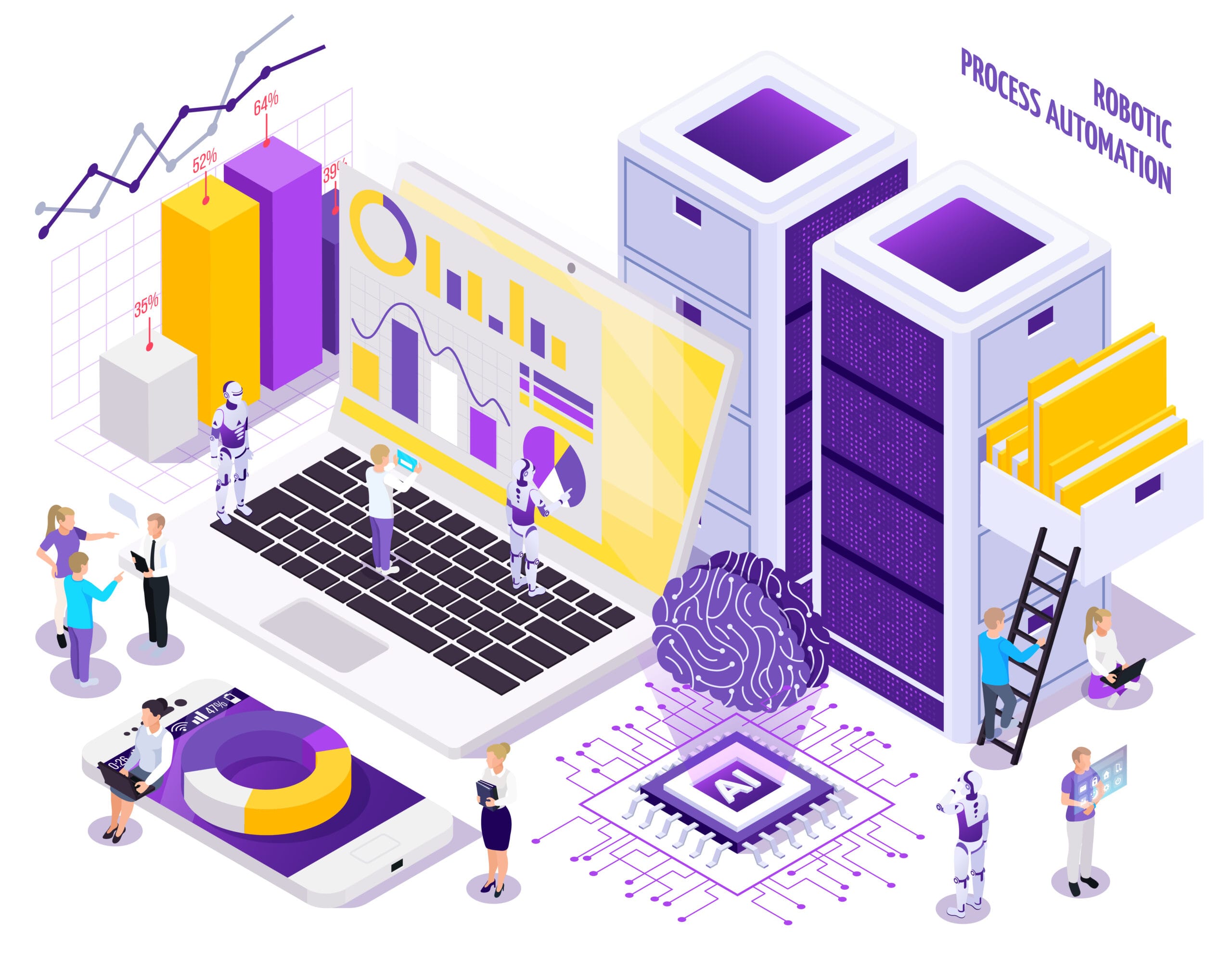
Imagine you own the most advanced car in the world, equipped with the best technology and highest performance levels, but it is traveling on a road full of potholes and obstacles. Would you expect to reach your destination efficiently?
This simple scenario summarizes the reality that many data analysts face today. There are powerful tools and advanced models, but the infrastructure behind the data does not support this performance. The quality of results is not determined solely by the analyst’s skill or the power of the tools they use, but depends fundamentally on how data is collected, organized, and processed before it reaches the analysis stage. This is where data engineering comes in as the backbone that ensures data is ready, clean, and usable.
Without a strong data infrastructure, the analysis process turns into a series of stumbling attempts: incomplete data, delayed access to information, and difficulty executing complex queries. On the other hand, when data is built on sound engineering foundations, analysis becomes faster and more accurate, and complex questions transform into clear answers that can be relied upon.
In this article, we will explore how data engineering contributes to raising the efficiency of data analysis operations, and why no analyst aspiring to professionalism can ignore this aspect, even if they are not a data engineer in the traditional sense.
What is Data Engineering?
Simply put, data engineering is the process through which the data infrastructure is designed, built, and managed so that it is ready for use in analysis and decision-making. It represents the layer that precedes the work of the data analyst, where data is collected from multiple sources, cleaned, transformed, and stored in an organized manner that allows for easy and efficient access.
If the data analyst is responsible for “understanding the data,” the data engineer is responsible for preparing that data to be understandable in the first place.
What does data engineering include in practice: Data engineering is not limited to transferring data alone but encompasses a set of integrated operations including data extraction by gathering data from various sources such as databases, APIs, or operating systems; data transformation by cleaning data, standardizing its formats, and preparing it for analysis; data loading by storing data in warehouses or databases configured for analysis; building data pipelines by creating automated flows that move data continuously without manual intervention; and data quality management by ensuring the accuracy and consistency of data before use.
Why is data engineering a foundation for any analysis process: Because any analysis depends on the data it receives. If the data is unorganized or incomplete, the results will be misleading no matter how powerful the analysis tools are. Data engineering ensures that data arrives at the right time, is clean and free of errors, and is organized in a way that makes querying and analysis easier.
What Are the Differences Between Data Engineering and Data Analysis?
Although data engineering and data analysis work on the same raw material, which is data, each has a different and complementary role within the ecosystem. The most notable differences include the following:
Primary objective: Data engineering focuses on preparing and building data correctly, while data analysis focuses on extracting meaning and insights from it. The data engineer asks how to make data available, clean, and organized, while the data analyst asks what the data is telling us and what decisions can be made based on it.
Nature of the work: The data engineer’s work is technical at its core, concerned with building systems, data pipelines, and managing the flow of data between different sources. The data analyst focuses on querying, analysis, data visualization, and interpreting results. This means the data engineer works behind the scenes while the analyst works at the decision interface.
Tools used: The data engineer uses tools such as ETL tools, Python, data management systems, and data warehouses. The data analyst uses tools such as SQL, Excel, Power BI, and visualization and analysis tools. Although there is overlap between the tools, the way they are used differs according to the objective.
Point of impact within the data cycle: Data engineering impacts the beginning of the data cycle, where data is prepared before it reaches the analyst. Data analysis impacts the end of the cycle, where data is transformed into decisions. Despite this difference, the two roles cannot be separated. The analyst’s success depends on the quality of the work done by the data engineer, and vice versa. The better organized, quickly accessible, and error-free the data is, the faster, more accurate, and more impactful the analysis becomes.
Benefits of Data Engineering in Data Analysis Operations
- Improving data quality before analysis by ensuring data is cleaned, processed, and verified to be free of missing values or duplication, giving the analyst a reliable foundation for building results.
- Accelerating access to data by building efficient pipelines that enable quick data access without delays or complexity in extraction processes.
- Organizing data in a way that facilitates querying by designing databases and tables logically, helping the analyst write simpler and more efficient queries.
- Supporting the efficient execution of complex queries by preparing and structuring data in a way that allows advanced analytical operations to be performed without excessive resource consumption.
- Reducing human errors during analysis by automating data preparation processes, which reduces reliance on manual intervention and consequently decreases errors resulting from manual processing.
- Enabling work on big data by providing an infrastructure capable of handling large amounts of data without affecting performance.
- Improving data integration from multiple sources by merging data coming from different systems into a unified model that is easier to analyze and connect results across.
- Raising the efficiency of collaboration between teams by providing organized and accessible data for all teams to facilitate collaborative work between analysts and decision-makers.
How to Build a Strong Understanding of Data Engineering as a Data Analyst
Start by understanding the data lifecycle: The first step is recognizing the complete journey of data: where it comes from, how it is collected, and how it is cleaned and stored. This understanding helps you interpret any problem you encounter during analysis rather than treating it as something mysterious.
Learn the basics of ETL and data pipelines: Even if you are not responsible for building them, understanding how data is extracted, how it is transformed, and how it is transferred between systems makes you more capable of handling data efficiently and reduces your complete dependence on technical teams.
Develop your SQL skills more deeply: SQL is not only a querying tool but a means of understanding data structure, which requires you to understand relationships between tables, handle large datasets, and optimize query performance. All of this brings you a step closer to the mindset of a data engineer.
Continuously monitor data quality: A strong analyst does not assume data is correct but verifies it by discovering anomalous values, checking for consistency, and understanding the source of errors. This behavior reflects an engineering awareness of data rather than merely using it.
How Does the IMP Diploma Help You Build This Understanding?
This is where the Data Analysis & Business Intelligence Diploma from the Institute of Management Professionals (IMP) comes in. It does not simply teach you data analysis but gives you a comprehensive vision of how data is built and managed.
What it actually offers:
- A comprehensive understanding of the data cycle from source to decision.
- Mastery of SQL, Excel, and Power BI within a practical context.
- Familiarity with governance and data quality concepts.
- Acquiring automation skills through Microsoft tools.
- Training on projects that simulate a real work environment.
If you aspire to move beyond using data and transition to understanding it from its roots, building this awareness through an integrated training path is the step that makes the real difference in your professional career.
Start your skills development journey with one message to learn the details and join the diploma.