
Institute of Management Professionals

Understanding Chunking Strategies in Data Processing and Retrieval
You may have seen this before. You search inside an intelligent system or an advanced analytics tool for a specific answer. The system responds quickly, and the output is technically correct. Yet something feels off. The result is fragmented. It lacks context. And it’s hard to use in a report... More details
Data Drift: Its Causes and Impact on Data Analysis
Data drift refers to unexpected changes that occur in data over time whether in its content, structure, or meaning which can negatively affect the data analysis process and lead to misleading results or inaccurate decisions. Analytical errors are often not caused by weak tools or flawed models, but rather by... More details
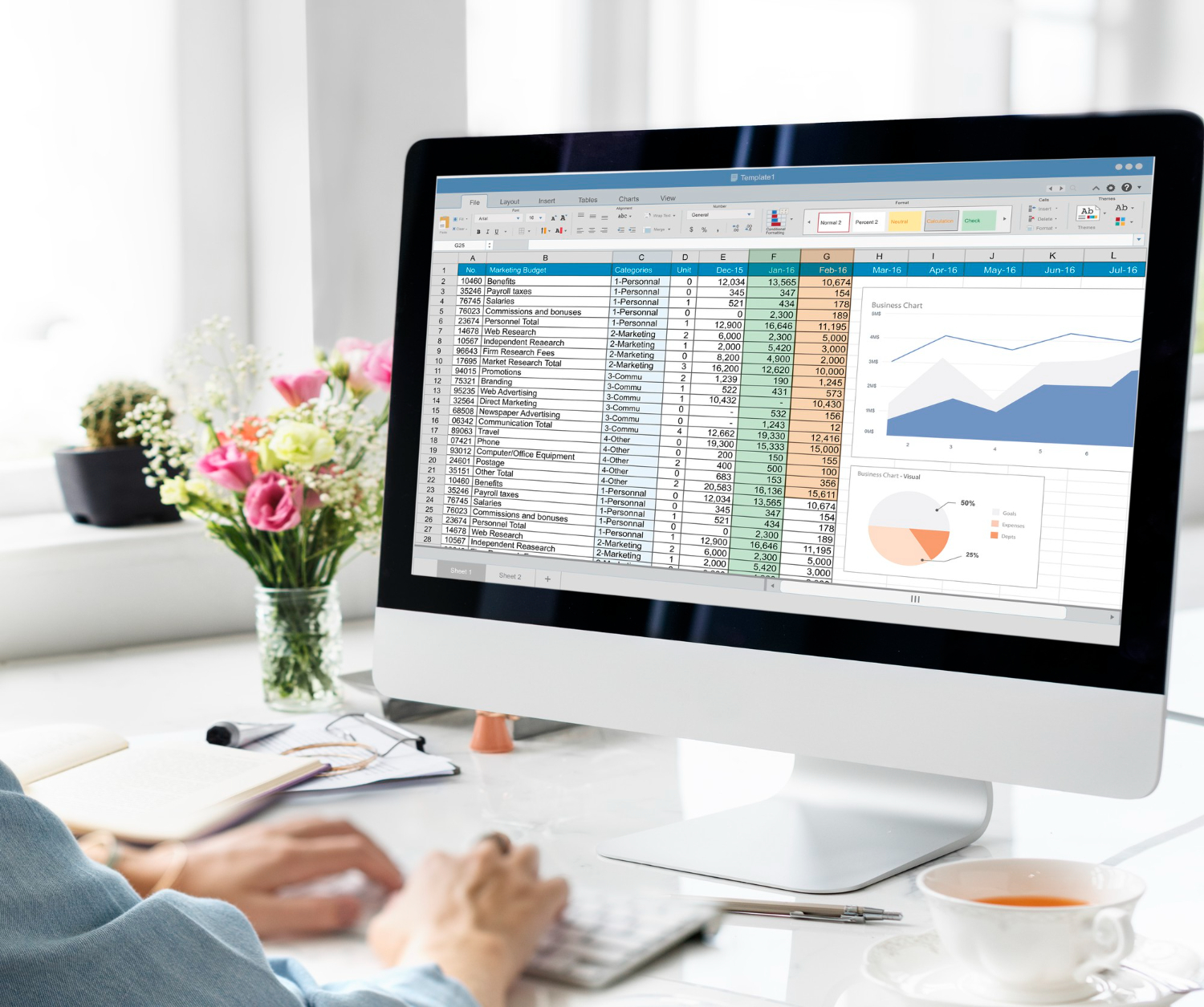
Data Automation in Excel Using Power Query: Benefits and Career Opportunities
If you manage recurring reports, large datasets, or customized workflows in Excel, you are well aware that most of the effort is not spent on data analysis itself, but on data preparation. The same steps are repeated with every update importing files, cleaning values, standardizing formats, and merging tables. These... More details
Unstructured Data: Concept, Types, and Key Use Cases
The world has witnessed rapid growth in data volumes, with the total amount of data created and exchanged globally reaching approximately 175 zettabytes in 2025, and expected to rise to nearly 394 zettabytes by 2029 almost a threefold increase within a short period. Studies indicate that 80% to 90% of... More details

How Predictive Data Analytics Safeguards Financial Institutions
Financial services operate in real time. Transactions happen instantly, across borders, and at massive scale. In this environment, data analytics has moved from a back-office reporting function to a front-line defense system. Predictive data analytics allows financial institutions to move away from reacting after losses occur. Instead, they can identify... More details

8 Applications of Data Analytics in Healthcare in the Middle East
Every sector is experiencing a surge in data analysis. However, healthcare is one of the most important sectors that is contributing to substantial advancements. We now have easier access to more precise hospital data insights that can greatly enhance patient outcomes. Medical services are about to make a leap thanks... More details

Data Monitoring vs. Data Quality: Key Differences and Why You Need Both
Many recent studies indicate that poor data quality costs organizations worldwide hundreds of billions of dollars each year due to faulty decisions, misleading reports, and disrupted operations. Ironically, a large share of these losses does not stem from a lack of data, but from inadequate management and oversight within analytical... More details
Understanding Microsoft’s Data Analytics Ecosystem in 2026
By 2026, data analytics at Microsoft will have become a full ecosystem. One that covers data collection, storage, transformation, analysis, visualization, automation, and AI — all working together. This matters because most organizations no longer struggle with a lack of data. They struggle with fragmentation, different tools, different teams, and... More details

Your Guide to Understanding Data Cleaning: Its Stages and the Tools Used
Imagine building a skyscraper on a foundation of shifting sand. The structure may appear solid on the surface, but the first real pressure is enough to expose its fragility. The same is true of analysis built on unclean data—abundant numbers and polished charts, yet conclusions that quickly collapse when tested... More details

Inferential Statistics: Concept, Types, and Applications
If we were to compare inferential statistics to something, nothing fits better than a bridge. It connects the shore of what we already know to the shore of what we seek to discover. By relying on a limited data sample, this branch of statistics allows us to go beyond the... More details
Automated Data Analytics in Practice: Tools, Examples, and Results
Automation is no longer an experiment in data analytics. It’s already part of how organizations work. McKinsey’s 2025 State of AI report shows that 88% of organizations now regularly use AI in at least one business function, and many are moving beyond pilots toward scaled deployments that involve workflow redesign... More details
![Using Microsoft Copilot for Data Analysis [5 Practical Use Cases]](https://imanagementpro.com/wp-content/uploads/2026/02/Microsoft-Copilot-for-Data-Analysis-scaled.jpg)
Using Microsoft Copilot for Data Analysis [5 Practical Use Cases]
Data teams today are under pressure. They’re expected to move fast, answer better questions, and support decisions in real time. But most teams still spend hours on repetitive tasks: writing queries, fixing formulas, preparing reports, and explaining numbers again and again. Microsoft Copilot for Data Analysis is designed to change... More details