 logo
logo

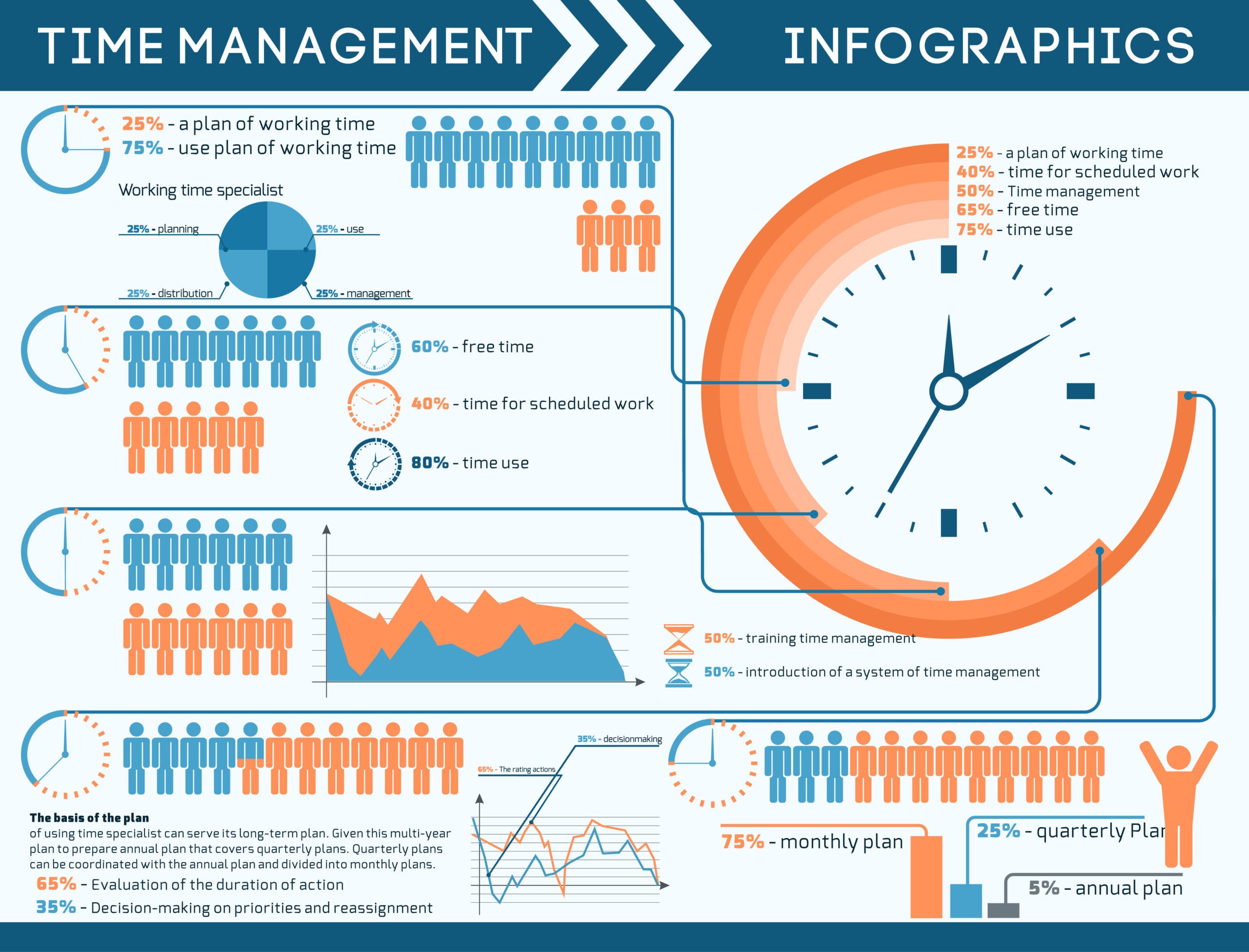
Much of data appears ordinary when viewed as a single isolated point, but its true value emerges when we observe how it changes over time. A rise in sales on a single day may seem positive, but tracking that rise over weeks or months may reveal a deeper trend related to customer behavior, market changes, or even competitor movements. This is where the importance of time-series charts becomes clear, because they do not merely display numbers but help understand how data moves over time and uncover patterns and shifts that may not be visible in traditional tables.
With the evolution of competitive intelligence, time-series data has become an important element in understanding the market more precisely and proactively. It helps organizations monitor performance changes, analyze trends, and detect early shifts within the market, giving them greater ability to make decisions based on continuous reading of what is happening rather than relying only on static snapshots of data.
What Are Time-Series Charts in the Context of Competitive Intelligence?
Time-series charts are a type of analytical visualization used to display data across successive time periods, with the goal of understanding how indicators change over time. The core element is “time,” as data is arranged in chronological sequence to help monitor changes, trends, and patterns more clearly.
These charts are used to analyze many business indicators such as sales, customer traffic, website and application visits, prices, financial performance, and market trends. Instead of viewing numbers as isolated points, time-series charts allow seeing the “movement of data” and how it evolves over time.
In the context of competitive intelligence, time-series charts are used to analyze how market, competitive, and customer indicators change over time, with the goal of understanding trends and discovering patterns and shifts that may affect strategic decisions. They focus not only on the “value of data” but on the “evolution of that data” over time, giving organizations greater ability to read market movement more deeply.
How Do Time-Series Data Help Organizations Understand the Market Better?
Discovering long-term trends:
Time-series data helps organizations see whether indicators are moving toward growth, decline, or stability over time, rather than relying on momentary readings that may be misleading. This gives management better ability to build long-term strategies and understand real developments within the market.
Analyzing seasonal and recurring patterns:
Some changes within the market repeat during certain periods, such as shopping seasons or shifts in demand during specific times of the year. Time-series charts help discover these patterns clearly. Through this understanding, organizations can improve planning, marketing, and resource management more efficiently.
Improving the ability to predict:
When data is analyzed over time, it becomes possible to build more accurate forecasts about what may happen next, whether regarding sales, customer behavior, or market movements. This type of forecasting helps organizations reduce surprises and prepare early for changes.
Understanding the impact of decisions and strategies:
Time-series data helps measure the impact of marketing campaigns, operational changes, or new strategies across different periods rather than relying on momentary results that may not reflect the full picture. This gives organizations greater ability to evaluate their decisions and continuously improve them.
Discovering abnormal changes quickly:
Any sudden rise or fall in data becomes more apparent when indicators are monitored over time, helping discover problems or opportunities more quickly. This enhances the organization’s ability to respond early and make more flexible decisions.
What Role Do Time-Series Charts Play in Competitive Intelligence?
Time-series charts have become important tools within competitive intelligence because they help organizations understand how market, competitive, and customer indicators change over time, rather than only reading numbers at a specific moment. Many competitive shifts do not appear suddenly but begin gradually through small and accumulated changes that cannot be clearly noticed without continuous time-based monitoring.
Analyzing the evolution of competitor movements:
Time-series charts help organizations monitor how competitor movements change across different periods, whether in prices, marketing activity, interaction rates, or market expansion. Instead of viewing a single movement in isolation, time-series data allows understanding the “pattern of movement” and how it evolves over time. This type of analysis gives organizations a deeper view of competitor strategy and helps them discover whether these movements are temporary or part of a long-term competitive trend.
Understanding changes in customer behavior:
Customer behavior constantly changes as a result of different economic, marketing, and technological factors, and time-series charts help monitor this change more clearly. By analyzing data over time, it becomes possible to observe how customer interests, purchasing patterns, and interaction with products or campaigns change, giving organizations greater ability to develop their offerings and improve customer experience based on actual trends rather than temporary impressions.
Improving the ability to predict and anticipate:
Analyzing time-series data helps organizations build more accurate forecasts about what may happen in the market or in competition. The more continuous and organized the data, the stronger the ability to predict changes and trends. This makes competitive intelligence more reliant on anticipation and analysis rather than settling for monitoring what has already happened.
Measuring the impact of decisions and strategies:
Time-series charts play a central role in understanding the effect of marketing campaigns, operational decisions, or strategic movements across different time periods, not only at the moment of execution. Through this type of analysis, management can evaluate the effectiveness of its decisions and determine whether they are achieving sustainable results or merely short-term effects.
The Most Notable Mistakes Organizations Make When Analyzing Time-Series Charts
- Focusing only on momentary changes, which pushes some organizations to make hasty decisions based on short-term rises or falls that do not reflect the true market direction.
- Ignoring the general trend of data and settling for reading specific points or periods without considering the complete time picture of indicators.
- Neglecting the external market context such as economic conditions, seasonality, or competitor movements, which may lead to inaccurate interpretation of data.
- Confusing correlation with causation, where some changes are interpreted as if one is a direct cause of the other without sufficient analysis of influencing factors.
- Ignoring seasonal and recurring patterns, causing the organization to treat natural changes as exceptional or unusual indicators.
- Relying on too short a time period, which may produce an incomplete or misleading reading that does not reflect true long-term trends.
- Overlooking small gradual changes, despite the fact that many major shifts begin with simple and accumulated signals over time.
- Relying on charts without interpretive analysis and settling for visual observation of data without connecting it to reality and the competitive context.
- Ignoring data quality and currency, as any flaw in data accuracy or recency directly affects the validity of analysis and conclusions.
- Reading data in isolation from other indicators, which weakens the ability to understand relationships and patterns connected to the market, customers, and competitors.
- Overconfidence in time-based forecasts, treating trends as confirmed outcomes despite the possibility that the market and its influencing factors may change.
- Weak connection between time-based analysis and decisions, leaving charts as mere visual reports without transforming the insights derived from them into practical steps within the organization.
How to Build an Analytical Mindset Capable of Elevating Organizations
Time-series charts and data analysis over time have become fundamental tools for understanding the movement of the market, customers, and competitors more deeply. But the true value of these tools does not lie in creating the charts alone, but in the ability to interpret them, connect them to the competitive context, and transform them into practical decisions that support the organization.
This is where the importance of theData Analysis & Business Intelligence Diploma from the Institute of Management Professionals (IMP) emerges, because it helps build an analytical mindset capable of reading patterns and trends and transforming data into clear strategic insights. The diploma is directed specifically at business leaders, executives, unit managers, and data analysts, and relies on integrating data analysis with competitive intelligence, enabling the trainee to understand market changes over time, analyze customer behavior, and discover trends and shifts before they become obvious to everyone.
What trainees learn within the diploma:
- Reading data, understanding its types and sources, verifying its quality, and connecting it to the business and competitive context.
- Advanced analysis using Microsoft Excel through Power Query, Power Pivot, and DAX to build analytical models that help analyze trends and time-series data more deeply.
- Designing professional dashboards using Microsoft Power BI, including building interactive charts, analyzing time-based indicators, and discovering patterns and shifts.
- Using SQL to extract and prepare data for analysis, enabling efficient handling of databases and organizing and analyzing time-based information.
- Data visualization and storytelling skills to transform time-series charts and analyses into clear insights that support executive decision-making.
- Automation using Power Automate to accelerate data flow and improve indicator monitoring more efficiently.
- Connecting data analysis to competitive intelligence to understand the evolution of market and competitor movements and discover early signals of changes.
- Developing analytical and strategic thinking to help trainees read time-based trends more deeply and transform them into more aware and proactive decisions.
Contact the IMP team now to learn all the details and diploma registration options.