 logo
logo

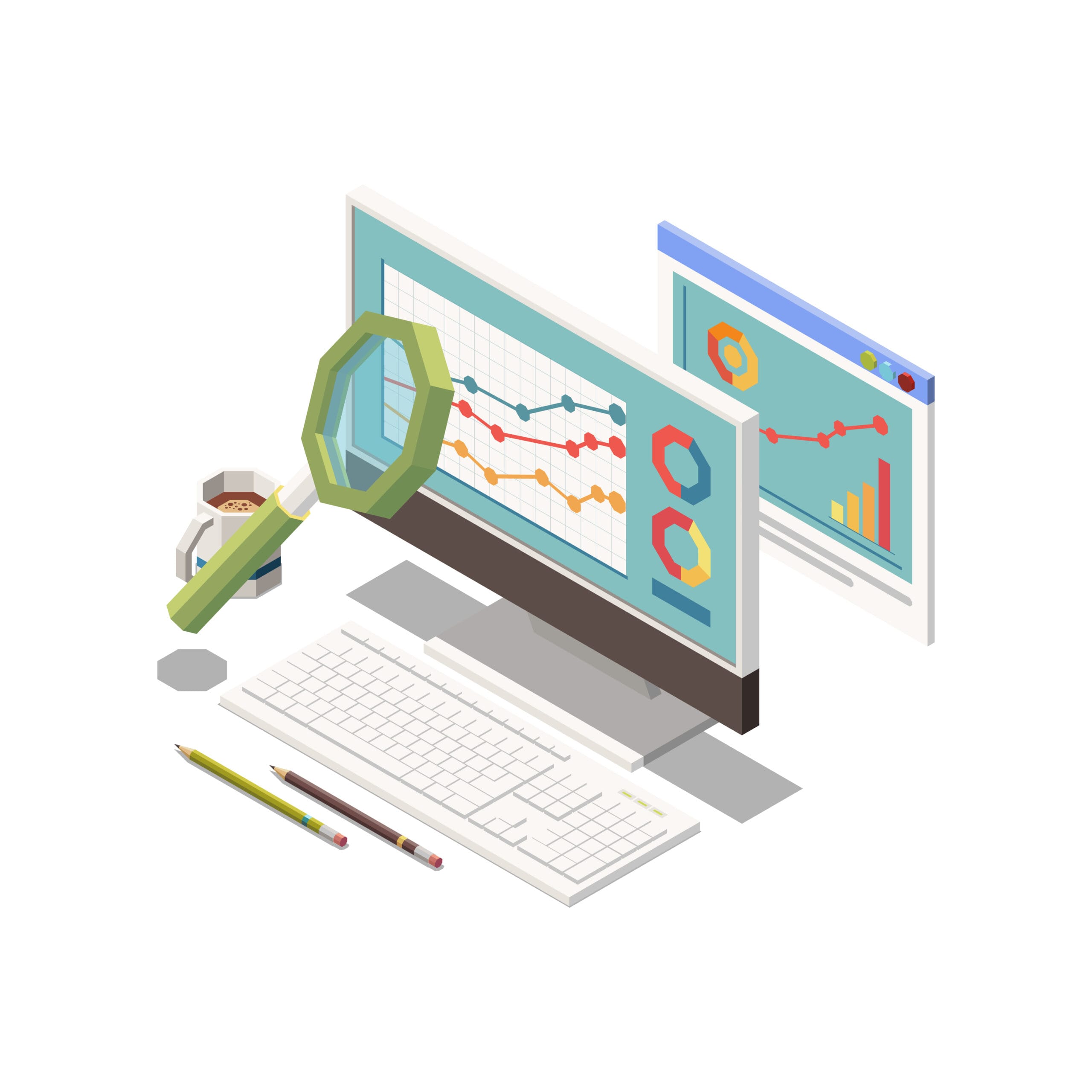
Many organizations in the Middle East believed that advanced data analysis tools alone would guarantee decision quality, but this belief did not hold up long against a more complex reality. As these tools were adopted on a wide scale, analytical capabilities became available to almost everyone, and what was once considered a competitive advantage turned into a basic requirement that no longer differentiates between companies. Despite this significant investment in technology, the gap in decision quality persisted, and cases emerged where organizations possessed advanced tools yet saw no clear impact on performance or competitiveness.
This disparity reveals that the problem does not lie in the tools themselves, but in how they are used. Advanced tools are capable of producing analysis, but they do not guarantee that it will be interpreted correctly or connected to market context or competitor movements. These tools only become genuinely valuable when used within a broader framework that supports building competitive intelligence making data a means of understanding what is happening outside the organization, not just within it. At this level, the tools begin to fulfill their true role: not as a technical solution, but as a strategic enhancer of decision-making.
Why Do Advanced Data Analysis Tools Alone Fail to Create a Competitive Advantage?
Despite the significant advancement in data analysis tools, many organizations find that their investment has not translated as expected into better decision quality or a stronger market position. The reason is not related to the weakness of the tools, but to how they are used and the limits of the role they are given within the organization. When tools are used as an end in themselves, they become a means of producing analysis without necessarily translating into competitive value.
Where Does the Gap Lie?
Focusing on the tool rather than the goal
Advanced tools are adopted without a clear definition of how to connect them to strategic decisions or competitive objectives.
Producing similar analyses across companies
As everyone relies on the same tools, outputs become comparable, reducing the ability to differentiate.
Absence of strategic interpretation of results
Data is presented accurately but without connecting it to market movements or competitor behavior.
Relying solely on descriptive analysis
Analytical teams settle for understanding what happened, without delving into the causes or anticipating what might happen next.
Separating analysis from the decision-making process
Reports remain within data teams without becoming an actual input into management decisions.
The Result
- Powerful tools — but limited impact
- Accurate data — but incomplete vision
- Advanced reports — but traditional decisions
In this context, it becomes clear that advanced tools do not create competitive advantage on their own. They only do so when used within a framework that connects analysis, market, and decision. This is where the true role of these tools begins supporting competitive intelligence, not merely improving analytical efficiency.
How Do Advanced Data Analysis Tools Actually Support Competitive Intelligence?
Tracking Competitor Movements Faster and More Accurately
Advanced data analysis tools enable continuous monitoring of competitor activities by collecting data from multiple sources and analyzing it in real time. Understanding competitors no longer relies on delayed observation it is now based on detecting changes as they happen, whether in pricing, marketing campaigns, or product launches. This level of visibility gives organizations a greater ability to understand competitor intentions before they fully materialize, resulting in:
- Faster responses to competitor movements
- A reduced reaction gap
- Deeper understanding of market strategies
Uncovering Hidden Patterns in Market Behavior
Big data contains signals that cannot be detected through traditional methods, and this is where advanced tools play their role in analyzing this data and extracting non-obvious patterns. By connecting different sources, gradual changes in customer behavior or emerging market trends can be identified before they become apparent to everyone, contributing to:
- Discovery of unexploited opportunities
- A more precise understanding of shifts in customer behavior
- A greater ability to anticipate trends
Supporting Decision-Making at the Right Time
One of the most important transformations brought about by advanced tools is narrowing the time gap between an event and a decision. Instead of relying on periodic reports, organizations can now access continuously updated data, allowing decisions to be made at a point much closer to the moment of change, resulting in:
- Improved decision speed
- The ability to seize opportunities in time
- Reduced impact of sudden changes
Building Data-Driven Competitive Scenarios
Advanced tools provide the ability to simulate different scenarios based on available data, allowing the potential impact of decisions to be assessed before they are implemented. This capability extends beyond prediction to testing multiple strategies and understanding their possible outcomes in a competitive context, resulting in:
- Reduced decision-related risks
- Improved strategic planning quality
- Greater organizational readiness to face change
Integrating Internal Data with Market Data
One of the most powerful advantages of advanced data analysis tools is their ability to merge an organization’s internal data with external data that reflects market reality. This integration creates a comprehensive view that helps understand true performance not just from an internal perspective, but in comparison with what is happening in the competitive environment, contributing to:
- A more precise understanding of market position
- A realistic performance assessment
- Decisions based on a complete picture
What Is the Difference Between Technical and Strategic Use of Data Analysis Tools?
Technical Use: When the Tool Is the Goal
In this pattern, the focus is on mastering the tool itself and building accurate reports and advanced dashboards, without a clear connection to the decision or competitive context. The goal becomes displaying data well, not necessarily using it effectively, resulting in:
- Accurate but limited-impact reports
- Analyses disconnected from decision-making
- A focus on internal performance only
Strategic Use: When the Tool Is a Means to a Decision
In contrast, tools are used within a broader framework that connects data, market, and competition. Here, the tool is not an end in itself, but a means of answering strategic questions and gaining a deeper understanding of what is happening beyond the organization’s boundaries, giving organizations:
- The ability to transform data into actionable insights
- A link between analysis and market and competitor movements
- Direct support for the decision-making process
The Real Difference: The Angle of Thinking
The difference between the two patterns does not come down to the tool, but to the way of thinking that guides its use:
- Is the goal to display data or to interpret it?
- Does the analysis end at the report, or does the decision begin from it?
- Are the numbers read in isolation or within a competitive context?
In technical use, data exists. In strategic use, data has impact. It therefore becomes clear that advanced tools do not make the difference on their own they require an intellectual framework that directs their use toward creating real value.
How Can an Analytical Mindset with Competitive Intelligence Skills Be Built?
A more mature approach to data analysis is emerging, one that integrates advanced analytical tools with competitive intelligence methodologies within a single framework that serves decision-making. This approach does not merely develop technical skills it reshapes the way of thinking, so that analysis becomes a means of understanding the market, not just reading performance.
This is what the Data Analysis & Business Intelligence Diploma offered by the Institute of Management Professionals (IMP) works toward. It is built on the idea that tools only gain their value through context, and does not limit itself to training participants on tools such as Excel, Power BI, and SQL in a traditional way. Instead, it places them within an integrated framework aimed at:
- Building a competitive analytical mindset capable of understanding the market and not just reading data
- Developing the ability to interpret results and connect them to context so that numbers are never isolated from reality
- Transforming analysis into actionable decisions through clear recommendations built on comprehensive understanding
- Nurturing strategic and scenario-based thinking to anticipate changes before they occur
- Linking learning to practical application within the work environment to ensure a direct impact on performance
One message is all that separates you from learning the details, joining the diploma, and acquiring competitive intelligence skills not just traditional data analysis.