 logo
logo

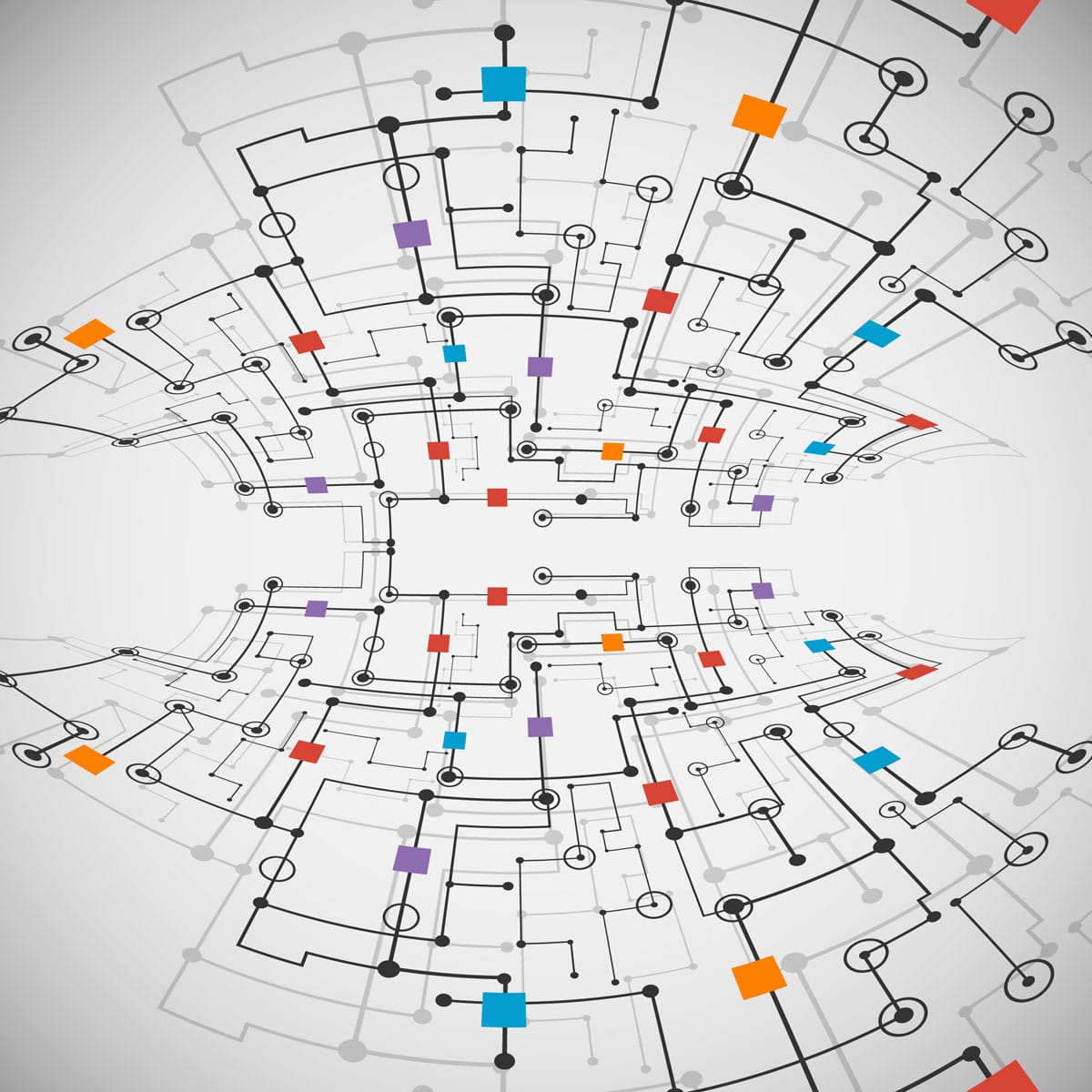
A Data Bus can be compared to the corridors through which information moves within an organization, connecting different systems just as roads connect neighborhoods within a city. It acts as a structured pathway that links data-producing sources with analytical tools, ensuring smooth data flow without congestion or conflict.
Let’s explore the concept of a Data Bus, its main types, and its role in data analytics across various industries.
What Is a Data Bus?
A Data Bus is an intermediary layer that organizes the movement of data between different systems within an organization. It functions as a unified channel that receives data from multiple sources and distributes it to the systems that need it, according to defined rules and governance policies.
The core idea behind a Data Bus is to separate data producers from data consumers without requiring complex, direct integrations between every system. This approach simplifies integration architecture and makes data flows more transparent, manageable, and scalable.
In the context of data analytics, a Data Bus serves as the backbone that delivers data to data warehouses, business intelligence tools, and predictive platforms. It ensures that data arrives consistently, at the right time, with built-in mechanisms for quality monitoring and traceability.
Instead of being burdened with the technical complexities of data transfer and system integration, data analysts can operate within a stable environment that enables them to focus on understanding the data, interpreting it, and transforming it into actionable insights that support decision-making.
How Does a Data Bus Work?
A Data Bus operates through a structured sequence of steps that ensures smooth and controlled data flow across systems. These steps typically include:
- Receiving data from multiple sources:The Data Bus collects data from various systems such as operational databases, business applications, APIs, and IoT sensors.
- Decoupling producers from consumers: It receives and processes data without requiring detailed knowledge of which downstream systems will consume it. This reduces tight coupling between systems and simplifies architecture.
- Standardizing and structuring data: Data passes through transformation rules that ensure consistent formats, schemas, and structures before distribution.
- Routing data based on defined policies: The Data Bus determines where each type of data should be sent according to predefined routing rules and governance policies.
- Supporting batch or real-time transfer: It can move data either in scheduled batches or as continuous streaming flows, depending on business needs.
- Monitoring flow and quality: Built-in mechanisms track data movement, detect errors, and identify disruptions to maintain reliability and transparency.
- Enabling scalability: New systems can be added as data sources or consumers without redesigning the entire architecture, making the environment adaptable to growth.
This operational model makes the Data Bus a critical component in analytical environments that depend on speed, reliability, and integration across multiple data sources.
Key Types of Data Bus Architectures
Operational Data Bus
This type supports data exchange between core operational systems within an organization, such as order management, payment processing, and inventory systems. It focuses on fast and continuous data transfer to ensure consistency in day-to-day operations. It plays a critical role in maintaining synchronization across systems that rely on shared, real-time data.
Analytical Data Bus
Designed to serve analytics and business intelligence needs, this type transfers data from operational systems to data warehouses and analytical platforms. It is optimized for handling aggregated and historical data, reducing pressure on transactional systems while ensuring consistent, analysis-ready datasets.
Streaming Data Bus
This type is built to manage continuous, near real-time data streams such as live transactions or event logs. It enables performance monitoring, real-time alerts, and rapid decision making particularly valuable in environments that require immediate responsiveness to events.
Integration Data Bus
Focused on harmonizing data from diverse sources with different formats and structures, this type ensures consistency before data reaches consuming systems. It is widely used in complex environments where legacy and modern systems coexist and must operate together seamlessly.
Hybrid Data Bus
A flexible architecture that combines multiple patterns operational, analytical, and streaming within a single environment. It is especially suitable for large enterprises managing diverse use cases, providing high flexibility in handling data flows without the need for separate infrastructures for each scenario.
Key Use Cases of Data Bus Across Industries
Data Bus architectures play a practical role in connecting systems and enabling seamless information flow across multiple sectors. While objectives and data types vary by industry, the underlying goal remains consistent: ensuring reliable, structured, and timely data movement.
Below are some of the most prominent real-world use cases:
E-commerce and Retail
In this sector, a Data Bus connects order management, payment systems, inventory platforms, and marketing tools into a unified data flow. This enables:
- Real-time analysis of sales and customer behavior
- Inventory synchronization across multiple sales channels
- Data-driven personalized recommendations and promotional offers
Financial and Banking Services
In finance, data reliability and speed are mission critical. A Data Bus becomes a core component of the analytical infrastructure by supporting:
- Secure transfer of transaction data between operational and monitoring systems
- Near real-time fraud detection
- Feeding regulatory reporting and financial analytics systems
Healthcare
Data Bus architectures help connect diverse medical systems while preserving privacy and consistency. Key benefits include:
- Integrating medical records from multiple healthcare systems
- Supporting clinical analysis and medical decision-making
- Enabling predictive analytics for resource and service management
Manufacturing and Internet of Things (IoT)
Industrial environments generate massive volumes of sensor data. A Data Bus organizes these continuous streams by:
- Collecting machine data in real time
- Supporting predictive maintenance and reducing downtime
- Analyzing operational performance to improve efficiency
Government and Public Services
In the public sector, Data Bus systems facilitate structured data exchange across governmental entities by:
- Standardizing data across ministries and agencies
- Supporting statistical analysis and evidence-based decision-making
- Improving the quality and responsiveness of citizen services
Across these industries, the Data Bus acts as an enabler of consistency, speed, and scalability—transforming fragmented data ecosystems into structured environments capable of supporting modern analytics and decision-making.
Does a Data Analyst Need Skills to Work with a Data Bus?
Yes, a data analyst needs a set of foundational skills to effectively work with Data Bus architectures—even if their role is not purely engineering-focused. These skills include:
- Understanding data flow and sources: Knowing where data originates, how it moves across systems, and when it becomes available in analytical tools.
- Distinguishing between operational and analytical data: Recognizing the temporal and contextual differences between data used for day-to-day operations and data prepared for reporting and analysis.
- Reading metadata and tracking lineage: Being able to interpret data descriptions and trace its journey from source systems to dashboards and reports.
- Handling quality and timing issues: Detecting delays, duplication, or missing values caused by data movement through the pipeline.
- Understanding streaming vs. batch processing basics: Identifying when real-time data is necessary and when aggregated or periodic data is sufficient.
- Communicating effectively with engineering teams: Translating analytical needs into clear data requirements without needing deep technical implementation knowledge.
In this context, the Data Analysis & Business Intelligence Diploma offered by the Institute of Management Professionals (IMP) helps equip analysts with this practical awareness. The program focuses on understanding how data moves within organizations, building a strong analytical foundation, and applying tools within an integrated data ecosystem preparing analysts to work confidently with Data Bus environments without being overwhelmed by complex engineering details.
If you’re looking to enhance your skills or upskill your team a single message is enough to explore the full details and enrollment options.