
Institute of Management Professionals

Evidence Based Policy: Saving Lives with Health Data
Public health decisions carry life or death consequences. Hospital capacity planning. Vaccination programs. Chronic disease prevention. Emergency response coordination. Resource allocation across regions. When these decisions rely on assumptions, delays, or incomplete data, the consequences are costly sometimes irreversible. This is why Evidence-Based Policy has become essential in modern healthcare... More details
Transparency & Trust: The Open Data Revolution
Trust is the foundation of effective governance. Citizens expect: Transparency Accountability Evidence-based decision-making Clear communication In the digital era, trust is no longer built through statements alone. It is built through visibility. This is where Open Data becomes transformative. Across the Middle East where public sector modernization is accelerating Open... More details

Urban Planning for 2030: The Data Behind Smart Cities
Cities are expanding faster than ever. Population growth. Urban migration. Infrastructure pressure. Transportation congestion. Energy demand. Environmental challenges. Across the Middle East where large-scale urban development projects are central to national transformation strategies planning for 2030 requires more than blueprints. It requires data. This is where Smart Cities move from... More details

Data Analytics vs Business Intelligence: Do They Compete or Complete Each Other?
For years, teams have debated the difference between Data Analytics and Business Intelligence. Some treat them as two competing fields. Others use the terms as if they mean the same thing. They don’t. But they also don’t compete the way people think. In reality, data analytics and business intelligence are... More details

Microsoft Power Platform: The Hidden Hero Behind Modern Data Analytics
When people talk about data analytics, they usually mention dashboards, reports, or AI models. They rarely talk about what happens after insights appear. That’s where many analytics efforts fall short. Modern data analytics isn’t just about understanding data. It’s about acting on it. And this is where Microsoft Power Platform... More details

Macros in Excel: Your Key to Automating Data Analysis and Boosting Efficiency
I can’t fully describe how much time I’ve wasted rather, lost repeating the same work over and over inside Excel. Steps that appear simple on the surface often demand double the time and effort in reality. Almost every day involves cleaning data, standardizing formats, rearranging columns, removing duplicates then repeating... More details

Agent Mode in Excel and How It Can Be Leveraged in Data Analysis
I have had the opportunity to write about developments in large language models, as well as educational articles on one of the most widely used tools in business and data analysis Microsoft Excel. With recent advancements, what stands out to me is the intersection between these two domains, especially following... More details

Understanding Chunking Strategies in Data Processing and Retrieval
You may have seen this before. You search inside an intelligent system or an advanced analytics tool for a specific answer. The system responds quickly, and the output is technically correct. Yet something feels off. The result is fragmented. It lacks context. And it’s hard to use in a report... More details
Data Drift: Its Causes and Impact on Data Analysis
Data drift refers to unexpected changes that occur in data over time whether in its content, structure, or meaning which can negatively affect the data analysis process and lead to misleading results or inaccurate decisions. Analytical errors are often not caused by weak tools or flawed models, but rather by... More details
Data Automation in Excel Using Power Query: Benefits and Career Opportunities
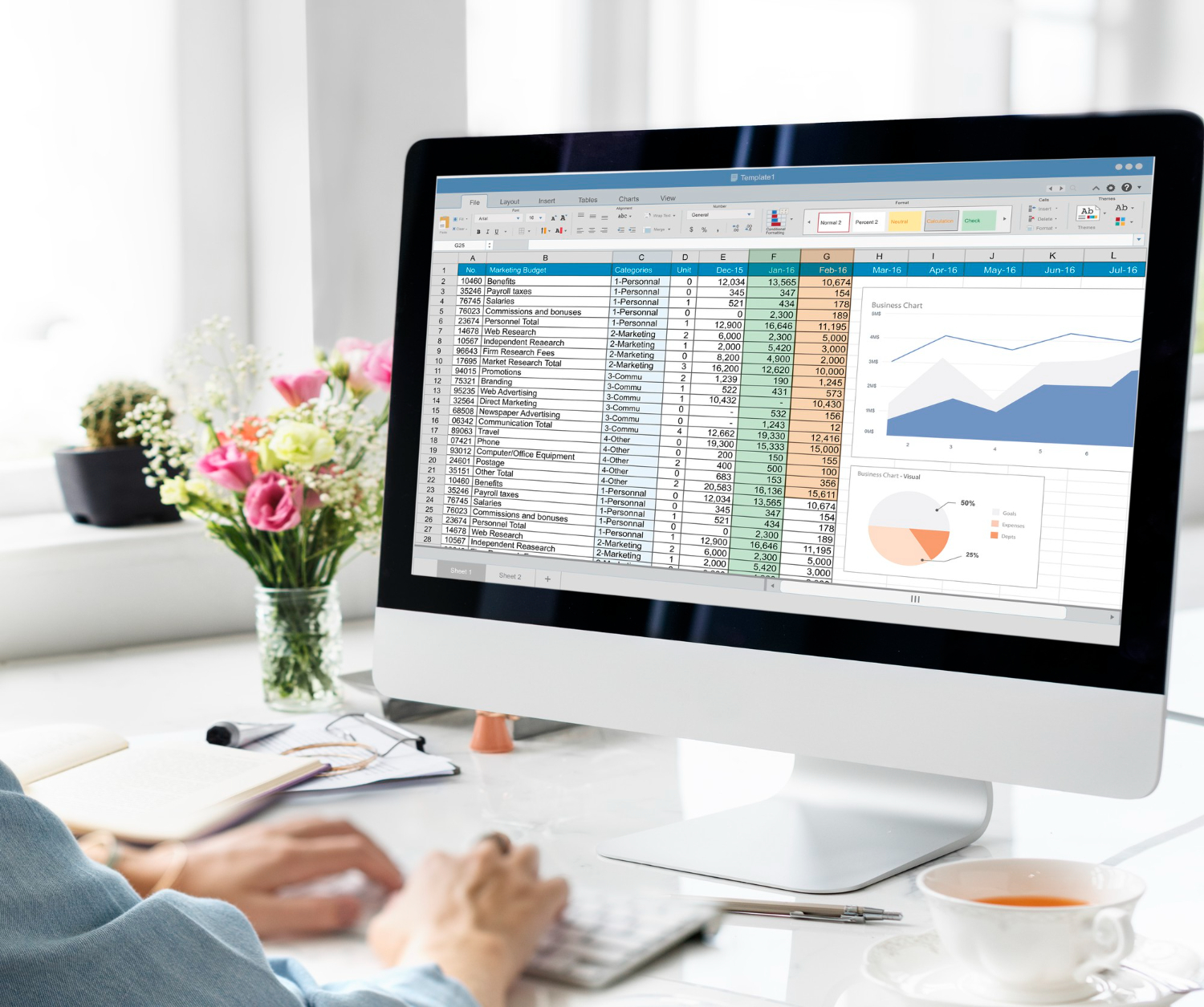
If you manage recurring reports, large datasets, or customized workflows in Excel, you are well aware that most of the effort is not spent on data analysis itself, but on data preparation. The same steps are repeated with every update importing files, cleaning values, standardizing formats, and merging tables. These... More details

Unstructured Data: Concept, Types, and Key Use Cases
The world has witnessed rapid growth in data volumes, with the total amount of data created and exchanged globally reaching approximately 175 zettabytes in 2025, and expected to rise to nearly 394 zettabytes by 2029 almost a threefold increase within a short period. Studies indicate that 80% to 90% of... More details

Understanding Microsoft’s Data Analytics Ecosystem in 2026
By 2026, data analytics at Microsoft will have become a full ecosystem. One that covers data collection, storage, transformation, analysis, visualization, automation, and AI — all working together. This matters because most organizations no longer struggle with a lack of data. They struggle with fragmentation, different tools, different teams, and... More details